
WHAT'S NEW

Why Relaxing Your Mind Can Calm Your Gut: The Science Behind Gut-Focused Hypnotherapy

Have you ever noticed that your stomach reacts before your mind has caught up?
Perhaps your bowels suddenly become urgent before an important meeting. Maybe your symptoms worsen during stressful periods, despite eating the same foods. Or perhaps your digestive system has never quite settled after an illness or medical treatment.
These experiences are more common than many people realize, and modern research offers an explanation that is both reassuring and hopeful.
Your Gut Has Its Own Nervous System
The digestive tract contains an extensive network of nerves often referred to as the "second brain." This enteric nervous system constantly communicates with the brain through what scientists call the gut-brain axis.
When these communication pathways are functioning well, digestion occurs smoothly and efficiently.
However, chronic stress, illness, surgery, infections, chemotherapy, radiation, or prolonged anxiety can leave this communication network operating in a heightened state of alert.
The result may include:
abdominal discomfort
bloating
bowel urgency
diarrhea
increased sensitivity to normal digestive activity
anxiety surrounding bowel symptoms
The good news is that these communication pathways remain adaptable.
Teaching the Gut a New Pattern
Hypnotherapy helps create a deeply relaxed state where the nervous system becomes more receptive to learning new responses.
Rather than fighting symptoms, gut-focused hypnotherapy encourages the brain and digestive system to communicate in calmer, more balanced ways.
Guided imagery may invite the digestive tract to develop a comfortable rhythm, soften unnecessary tension, reduce sensitivity, and respond with increasing steadiness and confidence.
Clinical research over several decades has shown that gut-directed hypnotherapy can significantly improve symptoms for many people living with IBS and other functional gastrointestinal disorders.
Researchers believe these improvements occur because hypnosis helps reduce visceral hypersensitivity, decreases stress-related activation of the nervous system, and supports healthier gut-brain communication.
Why Thoughts Matter Too
Living with unpredictable digestive symptoms often changes the way people think.
You may begin asking yourself:
"What if I can't find a bathroom?"
"What if I have an accident?"
"What if my symptoms start while I'm driving?"
These thoughts are understandable, but over time they can keep the nervous system prepared for danger, making symptoms even more noticeable.
Cognitive Behavioural Therapy helps identify these patterns while gently replacing them with more balanced, realistic ways of thinking.
As confidence grows, many people gradually return to activities they have been avoiding.
A Team Approach to Healing
Gut-focused hypnotherapy and CBT are not replacements for medical care. They may compliment any medical care you are receiving.
Together, these approaches support both the physical and emotional aspects of living with chronic digestive symptoms.
Building Hope Through Knowledge

Understanding how the gut and brain influence one another often brings an enormous sense of relief. Many people discover there is nothing "wrong" with them as a person. Instead, their nervous system has become highly protective after months—or even years—of coping with digestive distress.
Just as the brain can learn patterns that increase symptoms, it can also learn patterns that support greater calm, resilience, and comfort.
That is the foundation of gut-focused hypnotherapy.
Coming Soon
Integrated Therapy by Kristine will be offering weekly small-group programs this fall combining gut-focused hypnosis, CBT strategies, nervous system education, and guided practice for individuals living with IBS-D and other gut-brain interaction disorders.
These sessions will provide practical tools, evidence-informed education, and supportive guided experiences designed to help participants feel more control over their gut rather than their gut controlling them.
Healing is rarely about finding a single solution. More often, it is about discovering a collection of tools that help your mind and body begin working together again.

What Happens in Hypnosis? Understanding Clinical Hypnosis and How It Can Help You Create Lasting Change
If you've ever searched "What happens in hypnosis?" you're not alone. It's one of the most common questions people ask before booking their first hypnotherapy session.
Unfortunately, many people picture stage hypnosis, where volunteers bark like dogs or forget their names. While entertaining, that's not what happens in a clinical setting.
Clinical hypnosis is a respected therapeutic technique used by trained professionals to help people reduce stress, manage anxiety, change unwanted habits, improve confidence, and support emotional healing. Rather than taking control of your mind, hypnosis helps you access a naturally focused state where positive learning and change become easier.
What Is Clinical Hypnosis?
Clinical hypnosis is a guided process that helps you enter a state of focused attention combined with deep physical relaxation. Most people describe feeling calm, comfortable, and mentally clear.
You remain aware throughout the session. You hear everything being said, can speak if you wish, and can choose to stop the session at any time.
In many ways, hypnosis feels similar to becoming absorbed in a movie, driving a familiar route on "autopilot," or losing yourself in a great book. Your attention narrows, outside distractions fade, and your brain becomes more receptive to helpful suggestions and new ways of thinking.
What Happens During a Hypnotherapy Session?
Every session is personalized, but most follow a similar structure.
1. We Begin with a Conversation
Before hypnosis begins, we'll discuss your goals, current challenges, and what you hope will be different after therapy. This allows the session to be tailored specifically to your needs. And, I will answer any questions you have related to the process.
2. Guided Relaxation

You'll be guided into a relaxed, focused state using calming language, breathing, imagery, or progressive muscle relaxation. There is nothing mysterious about this process—it's simply helping your nervous system shift from a state of stress into one of calm attention.
3. Therapeutic Change Work
Once you're comfortably focused, we begin working with the thoughts, emotions, beliefs, or habits connected to your goals. Depending on your needs, this may include:
Positive therapeutic suggestions
Guided imagery
Cognitive reframing
Neuroplasticity-based techniques
Parts work
Emotional regulation strategies
Confidence-building exercises
Rather than forcing change, hypnosis creates an environment where healthier patterns can become easier to practice and strengthen.
4. Returning to Full Alertness
At the end of the session, you'll gradually return to your normal level of alertness. Most people feel refreshed, calm, and mentally clear.
Are You Asleep During Hypnosis?
No.
Although many people feel deeply relaxed, hypnosis is not sleep. Brain imaging studies suggest hypnosis involves focused attention rather than unconsciousness.
You remain aware of your surroundings throughout the session.
Can Someone Control My Mind?
Absolutely not.
One of the biggest misconceptions about hypnosis is that you lose control.
In reality, clinical hypnosis is collaborative. You cannot be forced to say or do anything against your values or beliefs.
Your hypnotherapist serves as a guide—helping you to that place where you can make positive change happen.
Why Is Hypnosis Helpful?
Many behaviours happen automatically.
Stress responses, anxiety patterns, self-criticism, procrastination, emotional eating, and certain habits often develop over years of repetition.
While your conscious mind understands what you'd like to change, your subconscious mind continues running familiar programs.
Clinical hypnosis helps you interrupt those automatic patterns while reinforcing healthier responses.
Combined with consistent practice between sessions, this can support lasting change.
Is There Scientific Support?
Yes.
Organizations such as the Mayo Clinic recognize hypnosis as a therapeutic technique that may help manage pain, reduce anxiety, ease stress, change certain behaviours, and support medical care when delivered by appropriately trained professionals.
Research has also explored the use of clinical hypnosis for:
Anxiety
Irritable bowel syndrome
Chronic pain
Medical procedures
Smoking cessation
Sleep concerns
Stress management
A Natural Approach to Change
Many people are looking for options that don't rely solely on medication.
Clinical hypnosis offers a natural way to work with your mind and nervous system. Because no medication is involved, there are no medication-related side effects. Instead, you learn practical mental and emotional skills that you can continue using long after each session.
Ready to Learn More?
Whether you're looking for support with anxiety, stress, confidence, unwanted habits, or emotional healing, clinical hypnotherapy offers a compassionate, evidence-informed approach to helping you move forward.
Serving clients in Enderby, Kelowna, and throughout British Columbia through secure online sessions.
The Anxiety Brain: Retraining Your Mind Through Neuroplasticity
Your Brain Is Always Learning
Your brain learns through repetition. Unfortunately, anxiety teaches the brain to become highly skilled at worrying, scanning for danger, and expecting negative outcomes.
The good news is that the same process that created those anxiety patterns can help change them.
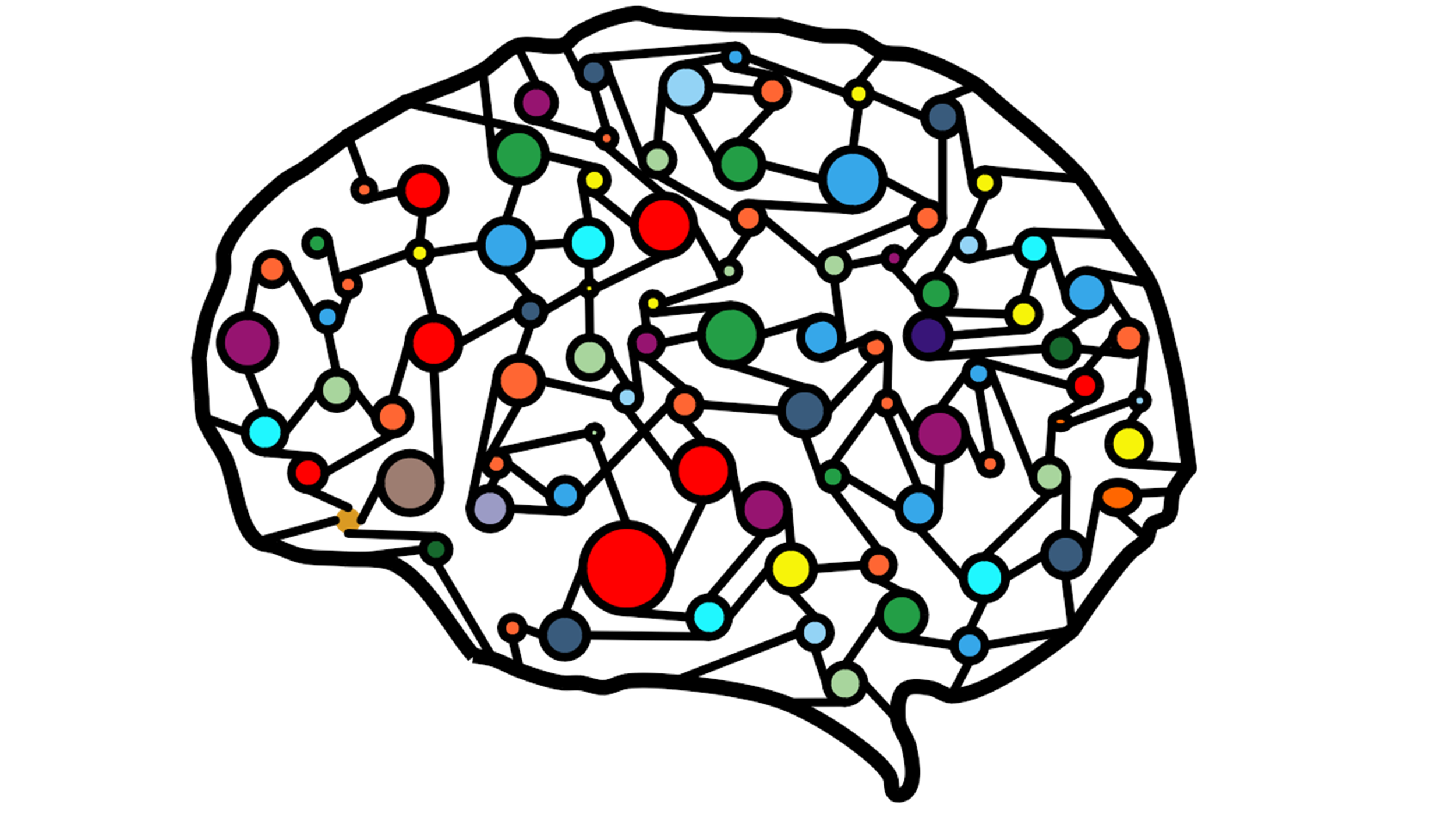
This ability is known as neuroplasticity—your brain's capacity to form new neural connections throughout life.
How Anxiety Creates Strong Neural Pathways
Imagine walking the same path through a field every day. Eventually, a clear trail forms. Anxiety works similarly. Repeated worrying strengthens certain neural pathways until anxious thinking becomes automatic.
People may begin to assume:
"This is just who I am."
"I've always been anxious."
"I can't stop worrying."
Yet these patterns are learned, which means they can be unlearned!
Creating New Pathways
Through modalities such as CBT, hypnosis. neuroplasticity, and intentional practice, new pathways can develop.
Examples include:
Replacing catastrophic thoughts with realistic alternatives.
Learning relaxation techniques that signal safety to the nervous system.
Using hypnosis to strengthen feelings of calm and confidence.
Rehearsing successful outcomes mentally.
Over time, these new responses become increasingly automatic.
Small Changes Matter
Brain change doesn't happen overnight. However, small consistent changes repeated over time can produce significant results.
Every moment spent practicing calm, confidence, and emotional regulation is helping to build stronger neural pathways that support resilience instead of anxiety.
Strengthening the Pause Within
Have you ever reacted to something and later thought, “I wish I had handled that differently?”
Most of us have experienced moments where our response seemed automatic—almost as if it happened before we had time to think. Psychiatrist Viktor Frankl described something important about human awareness. He suggested that between what happens to us and how we respond, there exists a space. In that space lies our freedom to choose.
Imagine that this space exists within each of us. A moment where awareness appears. A moment where we can step out of automatic patterns and into conscious choice. When that inner space becomes stronger, we often notice meaningful shifts in our lives. We may begin to respond differently in difficult conversations, stressful situations, or emotionally charged moments.

Instead of reacting quickly, we may find ourselves choosing:
Patience instead of irritation
Compassion instead of defensiveness
Thoughtful responses instead of impulsive reactions
For many people, however, stress, past experiences, and deeply ingrained patterns can make this pause feel very small.
Counselling can help people explore the experiences and beliefs that shape their reactions. By bringing awareness to these patterns, clients often gain greater understanding and control over how they respond in everyday situations.
Hypnotherapy can also support this process by helping clients access deeper levels of the mind where automatic responses are often formed. In a relaxed and focused state, individuals can strengthen new patterns of awareness and choice.
As this inner space becomes more accessible, people often feel a greater sense of clarity, calm, and personal agency.
Sometimes the most powerful change is not in what happens to us…
But in how we choose to respond.

Teaching Yourself how to Treat Yourself!
Every choice you make around your healing teaches you something about your relationship with yourself.
When personal growth is repeatedly postponed, cancelled, or treated as flexible while everything else remains fixed, an internal lesson forms:
My needs are negotiable.
Healing doesn’t deepen in the margins of a busy life. It grows when it’s given space, intention, and priority.
This doesn’t mean forcing yourself or pushing through exhaustion. It means choosing alignment:
If you value your emotional health, do your actions reflect that?
If you say growth matters, is it protected in your schedule?
If change is important, are you willing to invest time—not just intention?
Taking your inner work seriously is not indulgent.
It’s foundational.
When you show up consistently, you reinforce a different message:
I am worth the time it takes to heal.
And that message quietly changes everything.


When the world feels too big, Start where You are
Many people I speak with are feeling overwhelmed by the state of the world. The problems may feel vast, complex, and far beyond individual control- and that sense of helplessness can quietly drain hope.
What if influence doesn’t require force, protest, or certainty? What if it begins with coherence?
Research into collective intention- including author Lynne McTaggart’s Power of Eight- suggests that when small groups focus together with a shared, heart-based intention, measurable changes can occur. But something just as important happens internally.
Participants often report feeling calmer, more grounded, and more connected. This “rebound effect” reminds us that when we contribute to the greater good, we also restore balance within ourselves.

You don’t have to carry the weight of the world alone. Sometimes the most meaningful change begins when we join forces- quietly, intentionally, and together.
I offer weekly guided meditations, online and in-person, following Lynne McTaggart’s Power of Eight protocol. Contact me, or look into my scheduled events, to reserve your spot and discover the power of group intention for yourself.
There are no Bad Parts
How Parts Therapy and Internal Family Systems are Similar- and How Both Support Healing
When you think about yourself, you might imagine being “one person.” Yet, inside each of us exists a collection of parts — different hats we wear- inner roles that have developed over time. You may have experienced this yourself when part of you wants to make a healthy choice, while another part feels pulled in a different direction.
Both Parts Therapy (a therapeutic tool often used in hypnotherapy) and Internal Family Systems (IFS) (a counselling framework) are grounded in this same idea: we are not just one voice inside, but a system of parts. When these parts are understood and supported, deep healing can take place.
The Benefits
By working with your inner system, you can:
Find relief from inner conflict and self-criticism.
Heal past wounds carried by vulnerable parts.
Strengthen your connection to your calm, centered core self.
Feel more balance, clarity, and peace in daily life.

A Gentle Path to Wholeness
Both Parts Therapy and IFS remind us that there are no “bad parts.” Even the parts of us that seem to sabotage or overwhelm are often just trying to keep us safe. Healing comes from listening to these parts, understanding their needs, and integrating them into a more harmonious whole.
As a Counselling Therapist, I offer an integrative approach that blends proven techniques from cognitive behavioral therapy (CBT), solution-focused counselling, behavioral therapy, as well as internal family systems (IFS).
Whether you are working through anxiety, grief, pain or transitional changes, would work together is collaborative, client-centered and tailored towards your goals. I believe that every person holds inner wisdom and many inner resources and strength to create meaningful change. My role is to support that process- gently, respectfully, and with tools that can create lasting change.

🌿 The Power of Language
When you're working through anxiety, trauma, or relationship stress, the words you use to describe your experience matter more than you might think.
In fact, one of the most healing shifts you can make is changing a simple phrase from:
❌ “I feel scared”
✅ to “I feel unsafe”
At first glance, it might not seem like a big deal. But from the perspective of your subconscious mind and nervous system, this shift is deeply transformative—and it’s something I often explore with clients during hypnotherapy and healing sessions.
Let’s explore why.
🧠 How Your Brain Hears the Words
Your subconscious mind is always listening, and it takes language literally. Words like scared or unsafe send different signals to your brain, which can either keep your nervous system stuck in survival mode—or begin to soothe and regulate it.
When You Say: “I Feel Scared”
Your brain sees the emotion as being inside you.
It activates the amygdala—the fear center—and often pulls from past memories of fear, danger, or helplessness.
It can reinforce feelings of powerlessness, triggering a full-body stress response.
Your subconscious says: “Something is wrong with me.”
When You Say: “I Feel Unsafe”
Your brain understands this as a response to your environment, not a personal flaw.
It shifts activity from the fear center to the prefrontal cortex, which helps you problem-solve and respond with clarity.
It invites the body to consider how to create safety, rather than dwell in fear.
Your subconscious says: “I need boundaries, not blame.”
💡 Why Your Language is Important in Trauma Recovery
Trauma teaches your brain and body to be on high alert. You may begin to see danger everywhere—especially in yourself.
But healing means learning to separate what happened from who you are.
By changing your language from “I’m scared” to “I feel unsafe,” you start telling your brain:
“I’m allowed to protect myself.”
“My body is responding normally to a situation that doesn’t feel right.”
“I can choose safety, calm, and compassion.”
This subtle shift moves you from reactivity to resilience—and it’s one of the first steps in building emotional safety, setting boundaries, and reconnecting with your own power.
✨ What This Means in Hypnotherapy
When we work together, I’ll often invite you to notice your language. Hypnotherapy is a powerful tool because it works directly with the subconscious mind—the part of you that holds deep beliefs, automatic responses, and the emotional weight of past experiences.
We can rewire your emotional responses by:
Using empowering language
Creating felt safety in the body
Practicing new ways to respond to stress and triggers
🌼 Final Thoughts: Speak to Your Nervous System with Love
You are not broken. Your body is not your enemy. And your words can become your medicine.
Start small. The next time you feel anxious, explore saying:
“I’m noticing that I feel unsafe right now. What do I need to feel safe again?”
Let this question guide you gently back to yourself.


More than Just Words: The hidden power of non-verbal communication
In our day-to-day interactions, we often focus on what is being said, but communication is so much more than just the words we speak. Our body language, tone of voice, and even our energy can communicate far more than words ever could. As a hypnotherapist, I believe in the power of this unspoken language and its ability to unlock deeper insights into the mind and body. At Hypnotherapy Services by Kristine, we take a holistic approach to healing that looks beyond words to truly understand and connect with your inner self.
The Unspoken Language: Body Language and Tone
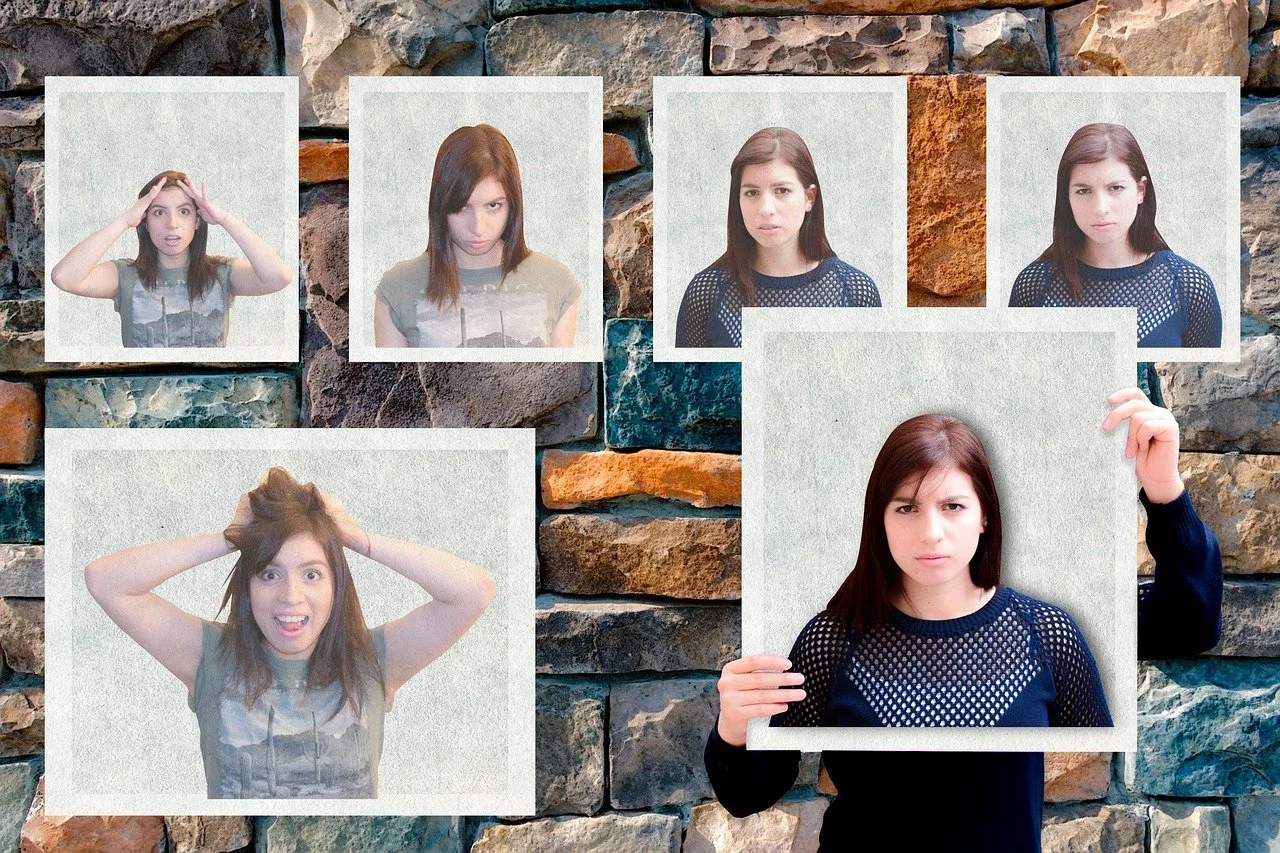
Have you ever had a conversation where someone’s body language didn’t match their words? Maybe they said one thing, but their posture or facial expression told a different story. This is where the power of body language comes into play. Studies suggest that around 70-93% of communication is non-verbal, including posture, gestures, and eye contact. When you communicate, your body is constantly sending signals that can reveal underlying thoughts and emotions, sometimes even more powerfully than your words.
Similarly, your tone of voice can say a lot about how you're feeling, even if you're trying to mask it. A sharp, hurried tone can indicate stress or discomfort, while a calm, slow tone might express peace or reassurance. This emotional undertone often conveys more about the speaker’s true feelings than the actual content of the conversation.
Tuning Into Unspoken Cues
In hypnotherapy, we work with these unspoken cues. By helping you access your subconscious mind, we allow you to tune into the subtle messages that your body and mind are communicating. Often, we carry unresolved emotions or beliefs deep within us, which can manifest in our physical behavior and tone of voice without us realizing it. Hypnotherapy offers a safe, non-judgmental space to explore these deeper layers of communication, fostering alignment between your conscious thoughts and subconscious beliefs.
For example, a person may say they feel confident, but their body language (crossed arms, averted gaze) might indicate insecurity. Their body language is presenting a different story and as a result they may come across as more insecure than confident. Through hypnotherapy, we can work together to address those hidden emotions, helping to bring them to the surface where they can be processed and healed.
Communication is a Powerful Tool for Healing
At Hypnotherapy Services by Kristine, we understand that true healing involves aligning your words, body, and emotions. Non-verbal communication is just as powerful—if not more so—than what is spoken. When your words, tone, facial expressions, posture, and gestures all convey the same message, you are creating a sense of authenticity, trustworthiness, and clarity.
Congruence is essential in communication because it signals to others that you are being honest and consistent, making it easier for them to understand your intentions and emotions Hypnotherapy offers a powerful tool to bring these hidden aspects of communication to the forefront, allowing for deeper emotional healing and transformation moving forward.
If you are curious and want to learn more book a free consultation with Kristine and discover how hypnotherapy my benefit you.

The Holiday Season- More than Purchases, More than Stress!
When we think about the holiday season, what often comes to mind? Gifts, shopping, parties, and endless to-do lists. But what if we began to see the holidays as a time to nourish our well-being, embrace mindfulness, and connect with others in meaningful ways—not just through consumerism?
The truth is, we’ve been programmed on a conscious and subconscious level to associate holidays with buying things. Ads, societal pressure, and even family traditions can lead us to believe that purchases are the most important part of the season. However, there’s so much more to the holidays than the items you buy. Consider how you can instead reclaim your holiday season by focusing on self-care, hobbies, and connection, rather than consumption.
Understanding the Programming Behind Holiday Purchases
From a young age, we are conditioned to think of the holidays as a time for giving and receiving material gifts. The media, advertising, and even our social circles reinforce the idea that the holidays are about the things we buy or receive. But beneath all the messages of consumerism, there lies a deeper truth: the holidays can be a time for healing, personal growth, and meaningful experiences.
Studies show that we are influenced by advertising not only through our conscious thoughts but also at a subconscious level. This programming affects our decisions and emotions, often leading us to feel that we need to spend more than we can afford or buy things to show our love.
However, these external rewards are fleeting, and they don’t address our internal needs—like relaxation, joy, and true connection with others.
Alternatives to Purchases—Nourishing Yourself!
Instead of succumbing to the holiday spending frenzy, why not use this time to nourish yourself? Here are some alternatives to buying things:
Reconnect with Hobbies: Did you once love painting, drawing, photography, knitting, or journaling? This is the perfect time to revisit activities that bring you joy.
Self-Care: Take long baths, meditate, listen to Kristine’s free hypnosis audios, read your favorite books, or take walks in nature to replenish your mental and physical energy.
Reaching Out: If you’re feeling lonely or stressed, reach out to a friend or family member. Even better, consider talking to someone through platforms like 7cups.com, where you can connect with trained listeners who can offer support and understanding.



This holiday season, take a step back from consumerism and focus on nourishing your body, mind, and soul. By tapping into the power of self-care, hobbies, and connection, you can experience a holiday season that’s meaningful, fulfilling, and truly joyful—without the shopping stress.